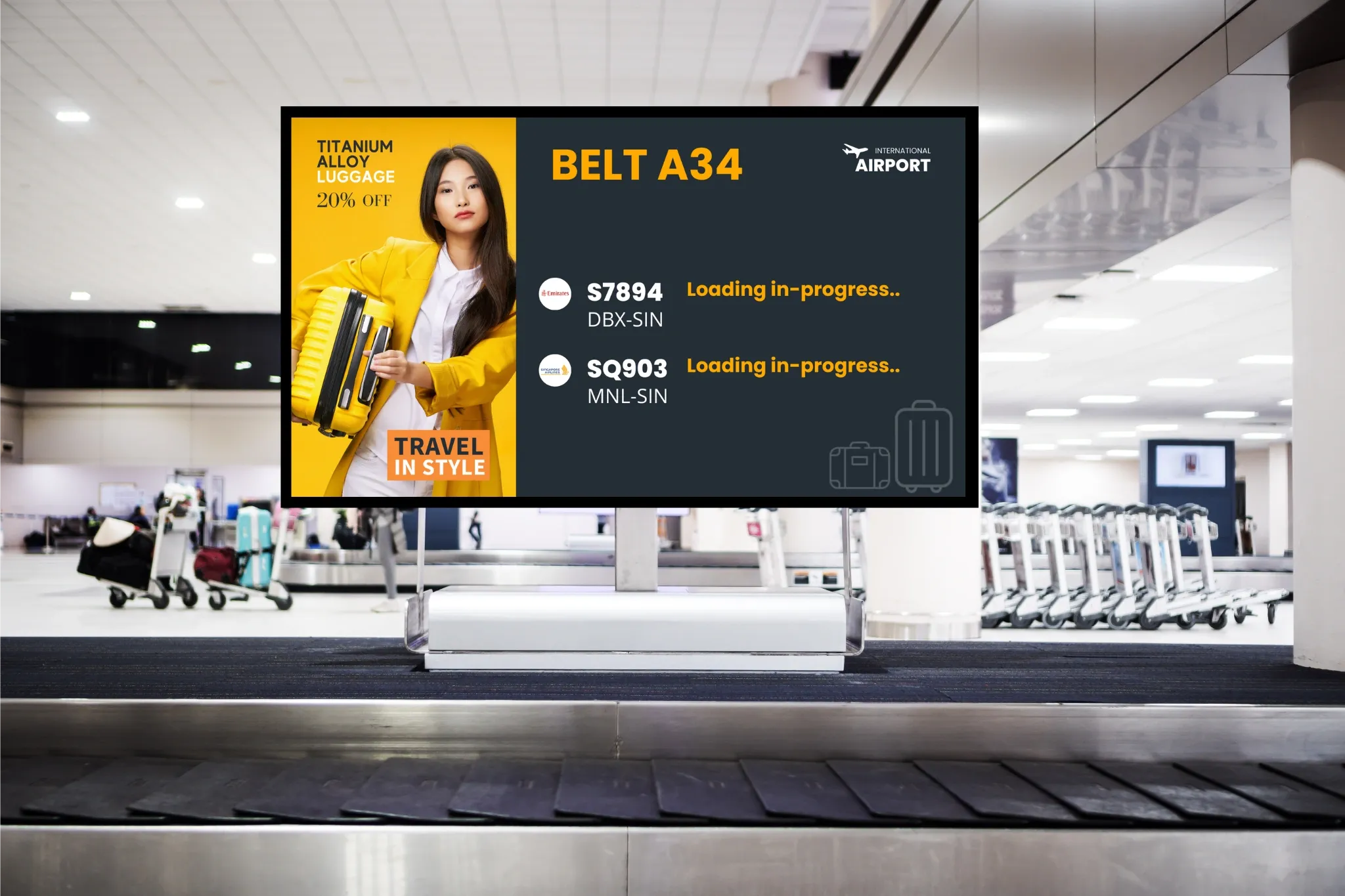
Planning a successful airport advertising campaign requires careful consideration and strategic execution to effectively reach a diverse audience. Airports are bustling hubs of activity, presenting unique opportunities for advertisers to engage with travelers from various demographics. To maximize the impact of an airport advertising campaign, it is essential to follow a structured approach that encompasses research, creative design, strategic placement, and continuous evaluation.
The first step in planning an effective airport advertising campaign is thorough research. Understanding the target audience is crucial; this involves analyzing traveler demographics such as age, gender, income level, and travel purpose. Additionally, studying passenger traffic patterns can provide insights into peak times when advertisements will receive maximum exposure. Collaborating with airport advertising authorities or accessing available data can aid in gathering relevant information about passenger flow and behavior.
Once the target audience is identified, developing compelling creative content becomes paramount. The advertisement should be visually appealing and convey a clear message within seconds due to the transient nature of airports where travelers have limited time to absorb information. Utilizing bold colors, concise text, and captivating imagery can capture attention effectively. It’s also important to ensure that the brand’s identity is prominently displayed so that it resonates with viewers long after they leave the airport.
Strategic placement of advertisements within the airport environment plays a critical role in their success. High-traffic areas such as check-in counters, security checkpoints, baggage claim areas, lounges, and boarding gates offer prime locations for ads since they naturally draw significant footfall. Digital displays are particularly advantageous as they allow dynamic content updates tailored to different times of day or specific flights arriving at particular terminals.
Budget allocation should be carefully managed throughout this process by considering factors like ad space costs versus potential returns on investment (ROI). While larger budgets may afford prime placements across multiple sites within an airport terminal complex simultaneously—enhancing visibility—it’s possible even smaller campaigns achieve noteworthy results through targeted efforts focusing solely upon select high-impact zones alone if executed creatively enough!
Finally yet importantly: measuring effectiveness post-launch ensures continued improvement over time! This entails tracking metrics such as impressions reached per location type (e.g., digital screens vs static billboards), engagement rates including click-throughs where applicable online links exist alongside offline interactions observed firsthand via surveys conducted amongst departing passengers themselves perhaps?
About the Author