
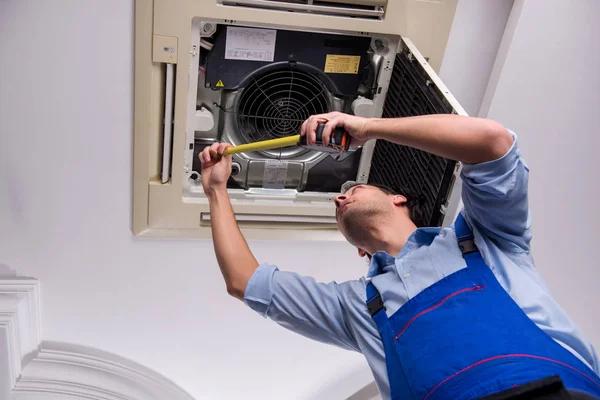
Air conditioning systems are essential for maintaining comfort in homes and workplaces, especially during the sweltering summer months. However, these systems can sometimes experience issues that compromise their efficiency and effectiveness. One common problem is short cycling, where the air conditioner turns on and off more frequently than it should. This not only reduces performance but also increases energy consumption and wear on the system.
Short cycling occurs when an air conditioning unit cannot complete a full cooling cycle, leading to frequent starts and stops. This issue can arise from various causes, including thermostat problems, refrigerant leaks, or oversized units. Identifying get the full details here root cause is crucial for effective troubleshooting.
A malfunctioning thermostat is a common culprit of short cycling. If the thermostat is incorrectly calibrated or located in an area with fluctuating temperatures—such as near windows or heat-producing appliances—it may send erroneous signals to the AC unit. Ensuring that your thermostat is properly calibrated and placed in a central location away from direct sunlight or drafts can help alleviate this issue.
Refrigerant levels also play a significant role in AC performance. Low refrigerant levels due to leaks can cause pressure imbalances within the system, triggering short cycles as the unit struggles to maintain desired temperatures. It’s important to have a professional HVAC technician check refrigerant levels regularly and repair any leaks promptly.
An oversized air conditioner might seem like an advantage because it cools spaces quickly; however, it often leads to short cycling because it reaches set temperatures too rapidly without adequately dehumidifying the space. This results in uncomfortable humidity levels indoors while increasing wear on components due to frequent starts and stops. Consulting with HVAC professionals before purchasing an AC unit ensures you select one appropriately sized for your space.
Airflow restrictions caused by clogged filters or blocked vents can also lead to short cycling by causing overheating within the system. Regularly replacing filters every 1-3 months depending on usage—and ensuring vents remain unobstructed—can prevent airflow issues from exacerbating short cycles.
About the Author
