
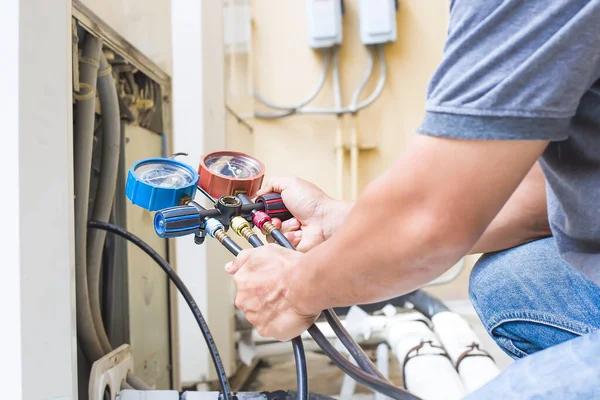
Refrigerant undercharge and airflow restrictions are two common issues that can negatively impact the performance of heating, ventilation, and air conditioning (HVAC) systems. Understanding the differences between these problems is essential for proper diagnosis and effective maintenance. Refrigerant undercharge occurs when there is less refrigerant in the system than required for optimal operation. This deficiency may result from leaks, improper charging during installation, or evaporation over time. When an HVAC system has insufficient refrigerant, it struggles to absorb heat effectively from indoor air or release heat outdoors during cooling cycles. As a consequence, the system runs inefficiently, leading to longer run times and increased energy consumption.
On the other hand, airflow restrictions involve any impediment that reduces or blocks the flow of air through the system’s ductwork or components such as filters, coils, or vents. These restrictions can be caused by dirty filters, clogged ducts, closed registers, or damaged fan motors. Reduced airflow limits the volume of air passing over evaporator coils in cooling mode or heat exchangers in heating mode. This limitation diminishes heat transfer efficiency and causes uneven temperature distribution within conditioned spaces.
While both refrigerant undercharge and airflow restrictions reduce HVAC efficiency and comfort levels indoors, their symptoms differ slightly visit our website due to their distinct mechanisms. A key sign of refrigerant undercharge includes lower-than-normal suction pressure readings on gauges used by technicians during service calls. Additionally, evaporator coils may freeze because inadequate refrigerant flow leads to excessively low temperatures inside the coil assembly. Homeowners might notice weak cooling performance despite fans running continuously.
In contrast, airflow problems often manifest as warm spots inside rooms combined with noisy fans struggling against resistance in ductwork sections blocked by debris or collapsed pipes. Filters clogged with dust cause reduced output at vents while forcing blower motors to work harder than usual; this strain can eventually lead to premature motor failure if not addressed promptly.
Diagnosing these issues requires careful inspection using specialized tools such as pressure gauges for checking refrigerant levels along with visual examination of filter cleanliness and duct integrity tests for detecting leaks or obstructions within air pathways. Proper maintenance routines including routine filter replacement schedules help prevent many airflow-related concerns before they escalate into costly repairs.
Addressing a refrigerant leak involves locating its source followed by repair procedures like brazing joints then recharging appropriate amounts based on manufacturer specifications ensuring correct pressures throughout operational cycles afterward confirming no further leakage exists through repeated testing phases.
About the Author
