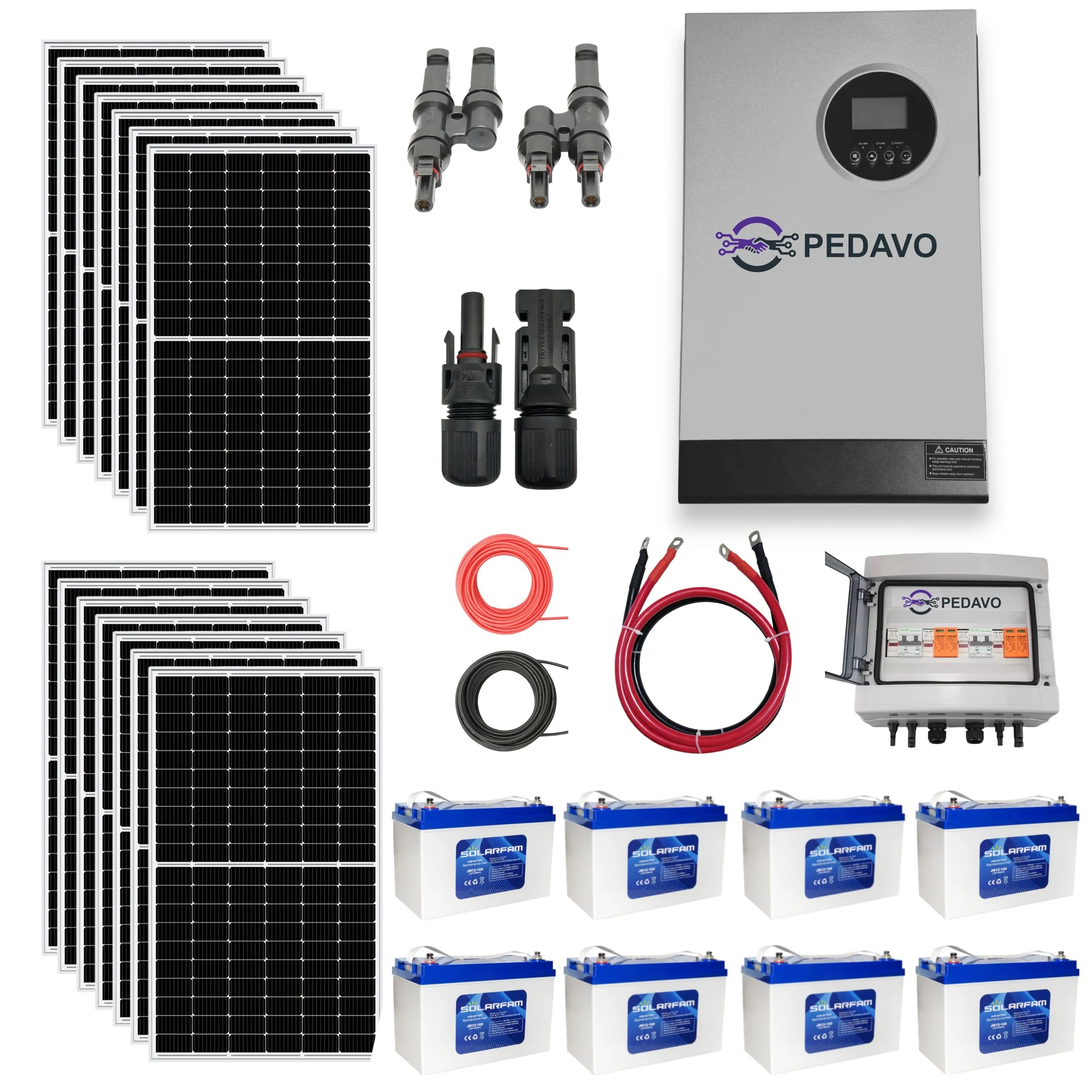
As the world continues to shift towards renewable energy sources, solar power remains one of the most popular and accessible options for residential and commercial use. By 2026, the demand for solar panel systems is expected to grow significantly due to advancements in technology, increased government incentives, and rising awareness about environmental sustainability. One common question among potential buyers is: how much does a 5 kW solar panel kit cost in 2026?
A 5 kW solar panel system is typically suitable for an average household’s electricity needs, capable of generating approximately 20-25 kilowatt-hours (kWh) per day depending on location and sunlight availability. The price of such a system depends on several factors including component quality, brand reputation, installation complexity, geographic region, and additional accessories like inverters or battery storage.
In 2026, the baseline cost for a complete kit panouri fotovoltaice 5 kw pret-including panels, inverter(s), mounting hardware, wiring, and monitoring equipment-is projected to range between $3,500 to $6,000 before installation. This estimate reflects ongoing reductions in manufacturing costs driven by improved production techniques and economies of scale. Solar panels themselves are becoming more efficient at converting sunlight into electricity while using less material during manufacturing.
Installation expenses vary widely based on labor costs in different regions as well as roof type and accessibility. On average though, professional installation might add another $2,000 to $4,000 to the overall price tag. Therefore, homeowners should expect total installed costs around $5,500 to $10,000 for a fully functional 5 kW system by mid-decade.
Government incentives play a crucial role in lowering upfront investment amounts. Many countries offer tax credits or rebates that can reduce net costs by up to 30% or more depending on local policies available at that time. Additionally new financing options such as zero-down leases or power purchase agreements may further improve affordability.
It’s important also to consider long-term savings when evaluating these prices; installing a reliable solar setup can drastically cut monthly electricity bills leading to payback periods ranging from five to ten years depending on energy consumption patterns and utility rates.
Moreover technological improvements expected by 2026-such as enhanced battery storage solutions integrated with smart home systems-could increase initial expenditures but provide greater independence from grid reliance along with better energy management capabilities.
In conclusion while exact pricing will fluctuate based on market dynamics and regional conditions throughout the year 2026; prospective buyers looking at purchasing a standard-quality 5 kW solar panel kit should anticipate spending somewhere between $3,500-$6,000 for equipment alone plus additional installation fees bringing total investment close to $7K-$10K before factoring incentives. However this investment promises substantial returns through reduced carbon footprints coupled with significant financial savings over time making it an attractive option within the growing green energy landscape.
About the Author