
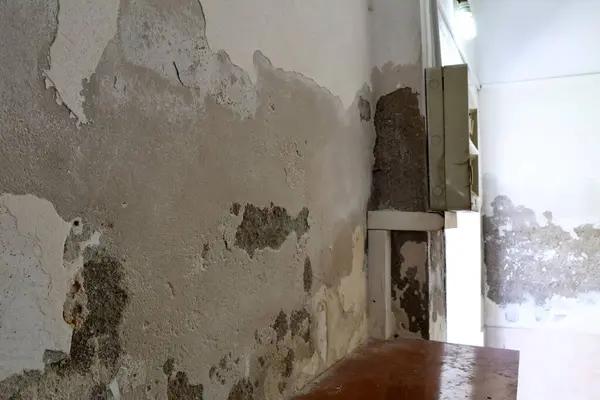
Water damage can wreak havoc on both residential and commercial properties, leading to costly repairs and significant disruptions. The need for effective water damage restoration and repair services is paramount in mitigating these challenges. These specialized services not only help in restoring the property to its pre-damage condition but also ensure that further issues such as mold growth are prevented.
One of the top aspects of water damage restoration is rapid response. Time is of the essence when dealing with water intrusion, whether from a burst pipe, flooding, or roof leak. Reputable restoration companies offer 24/7 emergency services to address such urgent needs promptly. Their teams are equipped with advanced tools and technology to assess the extent of damage quickly and begin the drying process immediately.
Professional assessment is another crucial component provided by top-tier water damage restoration companies. Skilled technicians conduct thorough inspections using moisture detectors, hygrometers, and infrared cameras to pinpoint hidden moisture pockets that could lead to future problems if left untreated. This comprehensive evaluation enables them to develop an effective action plan tailored to each unique situation.
The actual process of water extraction involves removing standing water using high-powered pumps and vacuums. This step is critical in preventing further saturation check website of materials like drywall, carpeting, and furniture. Following extraction, dehumidification ensures that all excess moisture is eliminated from affected areas. Industrial-grade dehumidifiers and air movers are employed strategically throughout the space for optimal results.
Cleaning and sanitizing form another essential phase in restoration efforts. Water incidents often introduce contaminants into spaces; hence cleaning agents specifically designed for different types of surfaces are used alongside antimicrobial treatments where necessary—this helps eliminate bacteria or fungi risks post-restoration while ensuring safe environments for occupants once they return home or resume business operations.
Repairing damaged structures comes next after successful mitigation measures have been implemented effectively by professionals who understand construction intricacies involved during reconstruction phases—whether replacing drywall sections entirely due extensive exposure beyond salvageable conditions (e.g.
About the Author
