Experiencing a burst pipe or a major leak in your home can be a distressing and overwhelming situation. Immediate and effective action is crucial to minimize damage, ensure safety, and begin the restoration process. Understanding the essential steps to take after such an incident can help you manage the crisis efficiently and protect your property from further harm.
The first and most important step after discovering a burst pipe or significant leak is to shut off the main water supply. This prevents additional water from flooding your home and causing more extensive damage. Locate your main water valve, which is typically found near your water meter or where the main water line enters your house, and turn it off promptly.
Once the water supply is stopped, assess the situation carefully. If the leak is severe and water is spreading rapidly, prioritize safety by turning off electrical power in the affected area to open website avoid any risk of electrical shock or fire. Avoid contact with standing water near electrical outlets or appliances. If you are unsure, it is safer to leave the property and call for professional help immediately.
Next, document the damage thoroughly. Take clear photographs and videos of the burst pipe, the leak, and any water damage to walls, floors, furniture, and belongings. This documentation will be essential for insurance claims and for professionals who will assist with repairs and restoration. Contact your insurance company as soon as possible to report the incident and inquire about coverage for water damage.
After documenting the damage, begin the water removal and drying process if it is safe to do so. Use mops, towels, or a wet/dry vacuum to remove standing water. Open windows and doors to increase ventilation and use fans or dehumidifiers to speed up drying. Prompt drying helps prevent mold growth, which can pose health risks and cause further property damage.
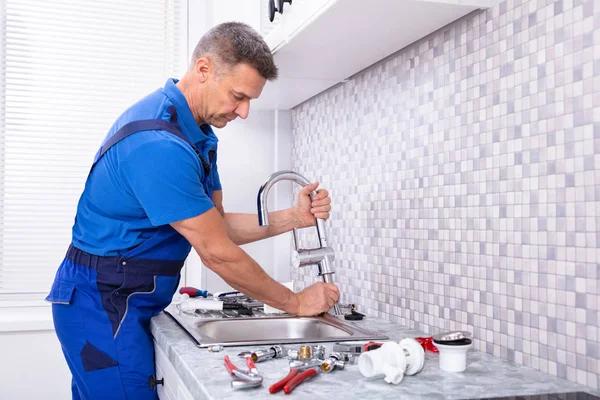
It is advisable to contact a licensed plumber to repair the burst pipe or leak. Professional plumbers have the expertise and equipment to fix the problem effectively and ensure that the plumbing system functions properly afterward. Additionally, consider hiring a water damage restoration specialist to address any structural damage, sanitize affected areas, and prevent mold infestation.
Finally, after repairs and cleanup are complete, take preventive measures to avoid future incidents. Regularly inspect your plumbing system for signs of wear, corrosion, or leaks, especially in older homes. Insulate pipes in unheated areas to prevent freezing during cold weather, and consider installing water leak detection devices that can alert you to leaks early on.
In summary, after a burst pipe or major leak, act quickly by shutting off the water supply, ensuring safety, documenting damage, removing water, and seeking professional help. These essential steps will help you manage the emergency effectively and protect your home from extensive damage.
About the Author