In today’s fast-paced world, daily stress has become an almost unavoidable part of life. Work pressures, family responsibilities, and the constant barrage of information can leave individuals feeling overwhelmed and exhausted. Finding effective ways to manage this stress is crucial for maintaining both mental and physical health. One increasingly popular method that has gained attention is the use of massage chairs. These innovative devices claim to offer relaxation and relief from tension without the need for a professional masseuse or a visit to a spa. But can massage chairs truly help with daily stress?
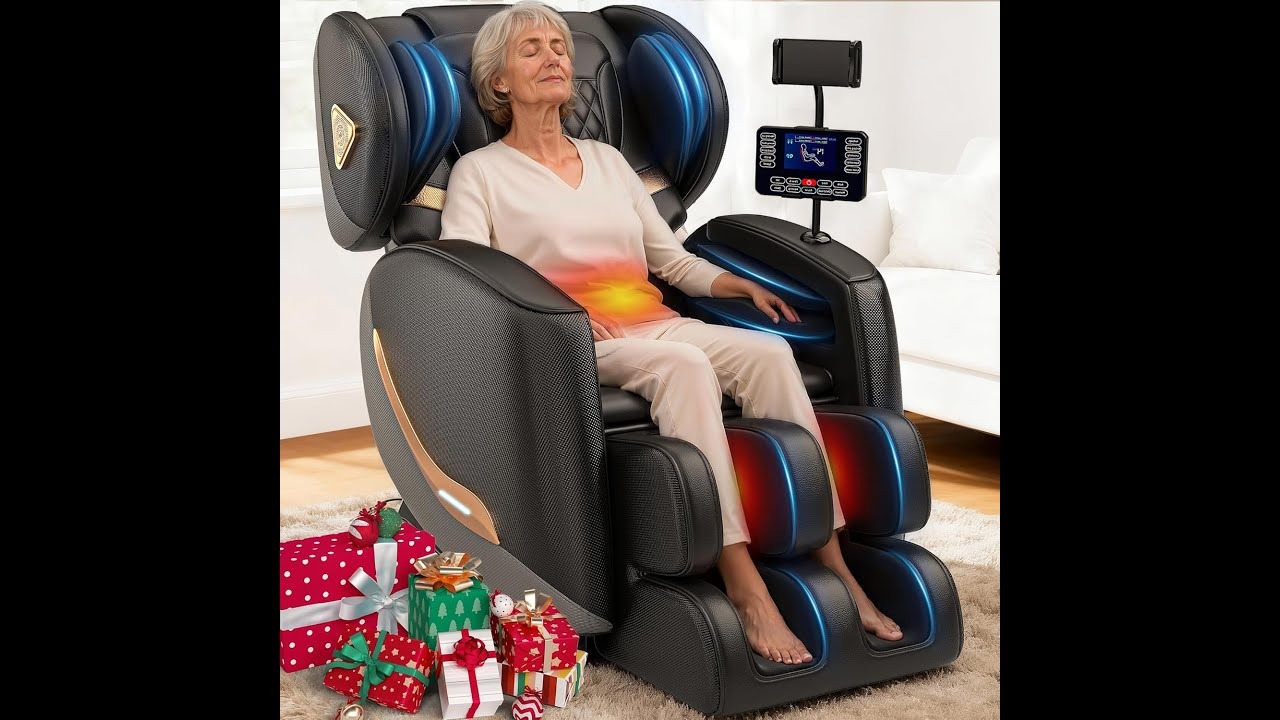
Massage chairs are designed to simulate the techniques used by human hands, such as kneading, tapping, rolling, and shiatsu. They target key areas where tension commonly accumulates-such as the neck, shoulders, back, and legs-to promote relaxation and reduce muscle stiffness. When muscles are tight or knotted due to prolonged sitting or repetitive movements throughout the day, these mechanical massages can improve blood circulation and release built-up lactic acid that contributes to soreness.
Beyond just physical benefits, massage chairs also influence psychological well-being by encouraging relaxation responses in the body. The gentle pressure applied during a massage activates sensory receptors in the skin that send signals to the brain promoting calmness. This stimulation helps decrease levels of cortisol-the hormone associated with stress-and increases production of endorphins which act as natural mood elevators.
Using a massage chair reviews regularly can create moments of intentional self-care amidst hectic schedules which is vital for managing chronic stress effectively. Even short sessions lasting 15-20 minutes have been reported by users to provide noticeable reductions in anxiety levels while improving sleep quality at night-a critical factor since poor rest often exacerbates feelings of stress.
It’s important however not to view massage chairs as cure-alls but rather complementary tools within a broader lifestyle approach including exercise, balanced nutrition, mindfulness practices like meditation or yoga, and adequate social support systems.
While they do come with an upfront cost that might be prohibitive for some people initially compared to traditional therapy sessions or gym memberships; over time they may prove economical given their convenience allowing consistent use without additional expenses per session.
In conclusion, massage chairs offer promising benefits for alleviating daily stress through both physical relief of muscle tension and promotion of mental relaxation mechanisms within the body. Incorporating them into one’s routine could provide much-needed respite from everyday pressures when combined thoughtfully with other healthy habits aimed at reducing overall stress levels.
About the Author