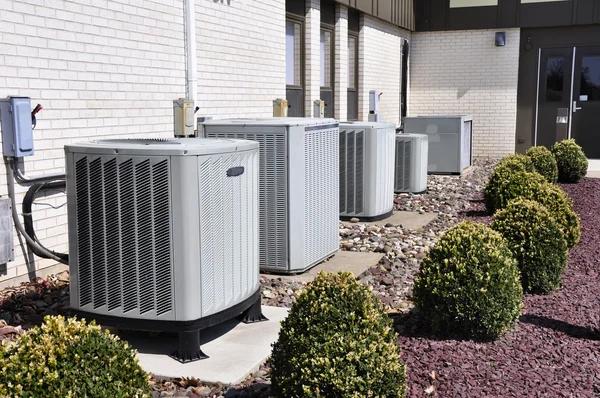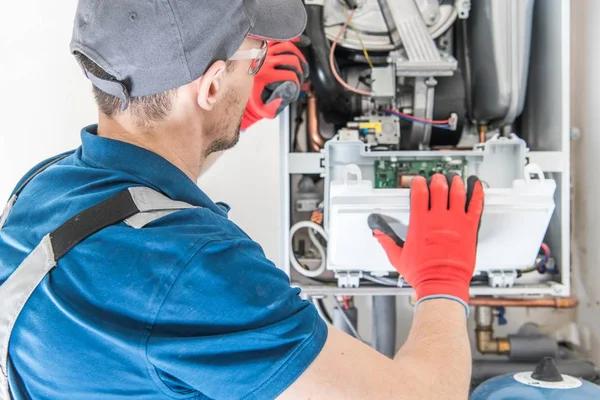
Regular maintenance of air conditioners is essential to ensure efficient performance, extend the unit’s lifespan, and maintain indoor air quality. Seasonal servicing plays a critical role in preparing your system for periods of heavy use, whether during hot summers or cooler months when the unit might be less active. A thorough seasonal servicing checklist helps identify potential issues early and keeps the air conditioner running smoothly throughout its operational cycle.
The first step in seasonal servicing involves inspecting and cleaning or replacing the air filters. Dirty filters restrict airflow, reduce efficiency, and can cause strain on the system’s components. Filters should be checked monthly during peak usage seasons but replaced at least once every three months or as recommended by the manufacturer. Next, examining the evaporator and condenser coils is crucial because accumulated dirt reduces their ability to absorb heat effectively. Cleaning these coils ensures optimal heat exchange and prevents unnecessary energy consumption.
Checking refrigerant levels comes next; low refrigerant can indicate leaks that need professional repair to avoid damage to compressors or reduced cooling capacity. It is important that only qualified technicians handle refrigerant charging due to environmental regulations and safety concerns. The thermostat settings should also be verified for accuracy; improper visit our page calibration may lead to inefficient operation or discomfort indoors.
Inspecting electrical connections forms an integral part of seasonal maintenance since loose wires or corroded terminals pose fire hazards or cause intermittent functioning of components such as fans and compressors. Tightening all connections improves reliability while preventing unexpected breakdowns during peak demand periods.
Drainage systems require attention too, especially condensate drains which remove excess moisture from inside units. Blockages here can lead to water leakage, mold growth, or damage to walls and ceilings around the installation area. Flushing out these drains with appropriate solutions maintains clear pathways for moisture removal.
Fan blades need inspection for physical damage and balance; damaged blades generate noise vibrations that affect comfort levels while unbalanced fans stress motors leading to premature failure. Lubricating moving parts where applicable reduces friction enhancing overall mechanical integrity.
Finally, testing overall system performance after completing all checks confirms that repairs have been effective and adjustments are correct before resuming full operation mode. Scheduling regular professional inspections alongside homeowner upkeep guarantees consistent comfort while minimizing costly emergency repairs over time.
By following a comprehensive seasonal servicing routine tailored specifically for your air conditioning unit’s requirements you ensure it operates efficiently year-round providing reliable climate control whenever needed most without interruption or excessive energy costs involved in neglecting proper care routines altogether.
About the Author