
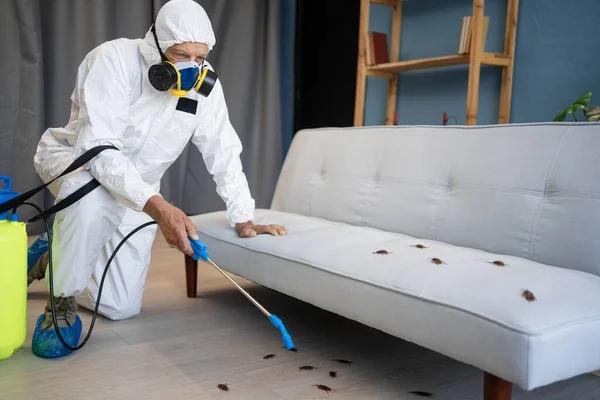
Maintaining a lush, green lawn is a source of pride for many homeowners. However, achieving and maintaining such beauty involves more than just regular mowing and watering. One of the most significant challenges faced by those striving for a perfect lawn is pest control. Lawn pests can wreak havoc on grass, turning vibrant greens into unsightly browns, and can even extend their destruction to other parts of your outdoor space.
Effective lawn pest control treatments are essential in safeguarding your grass and ensuring that your outdoor area remains inviting and healthy. The first step in effective pest management is identifying the problem accurately. Common lawn pest control pests include grubs, chinch bugs, sod webworms, armyworms, and mole crickets. Each type requires specific treatment approaches due to their unique behaviors and life cycles.
Once the pest has been identified, selecting an appropriate treatment method is crucial. Integrated Pest Management (IPM) is highly recommended as it combines cultural practices with biological controls before resorting to chemical options. This approach minimizes environmental impact while effectively managing pest populations.
Cultural practices play a vital role in preventing infestations from taking hold in the first place. Regularly aerating the soil improves drainage and root growth while reducing conditions favorable for pests like grubs that thrive in compacted soil environments. Maintaining proper mowing heights also helps; cutting grass too short stresses it out making it more susceptible to damage from insects.
Biological controls involve introducing natural predators or parasites that target specific pests without harming beneficial organisms or humans—a safe alternative compared with chemical solutions often used indiscriminately across vast areas potentially affecting non-target species adversely over time if misapplied repeatedly year after year unnecessarily so when other options exist which might prove equally effective under certain circumstances depending upon local ecological conditions prevailing at any given moment during growing seasons throughout different regions globally where similar problems arise commonly enough among gardeners worldwide today needing answers fast!
Chemical treatments should be considered only when necessary after exhausting all other possibilities because they pose risks not only environmentally but also health-wise especially around children pets wildlife water sources nearby homes schools parks playgrounds etcetera requiring utmost care handling storage application disposal procedures strictly followed according manufacturer guidelines instructions labeled accordingly ensuring compliance regulations governing usage these products wherever applicable relevant jurisdictions concerned authorities overseeing such matters diligently enforcing standards protect public interest safety welfare alike thereby promoting sustainable development goals long-term benefits outweigh short-lived gains achieved hastily through shortcuts taken expedient reasons alone disregarding consequences involved inevitably leading future complications avoidable had precautions observed initially outset planning stages undertaken responsibly proactively anticipating potential issues arising unexpectedly later down road ultimately resulting better outcomes everyone involved directly indirectly affected positively overall satisfaction guaranteed peace mind assured knowing done right way possible every time consistently delivering desired results efficiently effectively affordably sustainably!
About the Author
