Professional air conditioning repair services rely on a variety of essential tools to diagnose, maintain, and fix HVAC systems efficiently. These tools enable technicians to perform accurate assessments and ensure that air conditioners operate at optimal levels. One of the most fundamental instruments used by every AC repair technician is the manifold gauge set. This tool measures the pressure of refrigerants within the system, helping professionals determine whether there are leaks or if refrigerant levels need adjustment. By connecting to different ports on the unit, it provides precise readings that guide further repairs or maintenance actions.
Another critical device in an AC technician’s toolkit is a digital multimeter. This versatile instrument measures electrical voltage, current, and resistance across various components of an air conditioning system. Since many issues stem from electrical faults such as blown fuses or faulty capacitors, using a multimeter allows click here for more information quick identification and resolution of these problems without unnecessary part replacements.
Leak detectors also play a vital role in professional AC servicing. Refrigerant leaks not only reduce cooling efficiency but can also cause environmental harm if left unchecked. Advanced electronic leak detectors can sense even minute traces of refrigerants escaping from coils or connections. Detecting leaks early prevents costly damage and ensures compliance with environmental regulations regarding refrigerant handling.
Thermometers designed specifically for HVAC use are indispensable when measuring temperature differences between intake and output vents. Accurate temperature readings help technicians assess system performance and verify that cooling cycles function correctly after repairs or routine maintenance tasks like cleaning filters or coils.
Vacuum pumps are another essential tool utilized during installation or major repairs involving refrigerant evacuation from the system. Removing air and moisture before recharging with new refrigerant is crucial to avoid corrosion inside components which could shorten equipment lifespan.
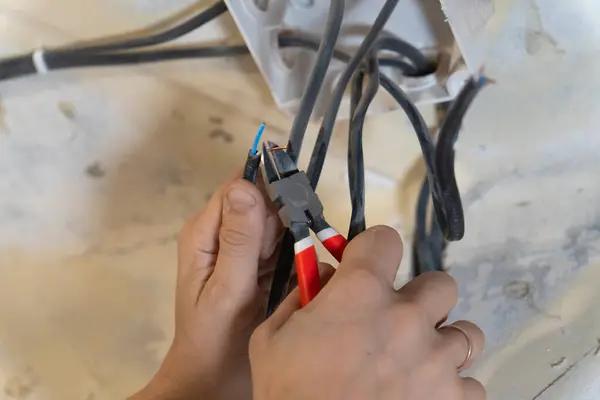
Hand tools such as wrenches, screwdrivers, pipe cutters, and pliers remain basic yet necessary items for disassembling parts safely while performing repairs or installing new units securely according to manufacturer specifications.
In addition to physical instruments, modern professionals often employ software-based diagnostic devices linked via Bluetooth or Wi-Fi to monitor system parameters remotely in real time. These smart tools enhance troubleshooting capabilities by providing detailed analytics beyond what traditional gauges offer.
Overall, each tool serves a specific purpose in ensuring reliable operation of air conditioning systems through precise diagnostics and effective repairs performed by trained technicians who understand how best to leverage their equipment for customer satisfaction and long-term appliance health.
About the Author