Maintaining a comfortable temperature in homes with insulation problems can be challenging. However, by implementing strategic heating and cooling techniques, homeowners can enhance comfort while minimizing energy consumption and costs.
Firstly, addressing drafts is crucial. Drafts often occur around windows, doors, and other openings where air leaks are common. Homeowners should use weatherstripping or caulking to seal these areas effectively. This simple step prevents warm air from escaping during winter months and keeps cool air inside during summer, significantly improving indoor temperature regulation.
Another effective strategy is the use of heavy curtains or thermal blinds. These window treatments act as additional barriers against heat loss in winter and heat gain in summer. During colder months, keeping curtains open during sunny days allows natural sunlight to warm up rooms; conversely, closing them at night helps retain that warmth. In summer, drawing blinds during peak sunlight hours reduces indoor temperatures by blocking excess solar heat.
Ceiling fans play a vital role in enhancing both heating and cooling efficiency. In winter, setting the fan blades to rotate clockwise at a low speed pushes warm air down from the ceiling into living spaces. Conversely, counterclockwise rotation during summer creates a wind-chill effect that makes rooms feel cooler without view website lowering the thermostat setting.
Additionally, utilizing programmable thermostats offers significant advantages for homes with insulation issues. These devices allow homeowners to set specific temperatures for different times of day based on occupancy patterns. For instance, reducing heating or cooling when no one is home conserves energy while ensuring comfort upon return by automatically adjusting settings before occupants arrive.
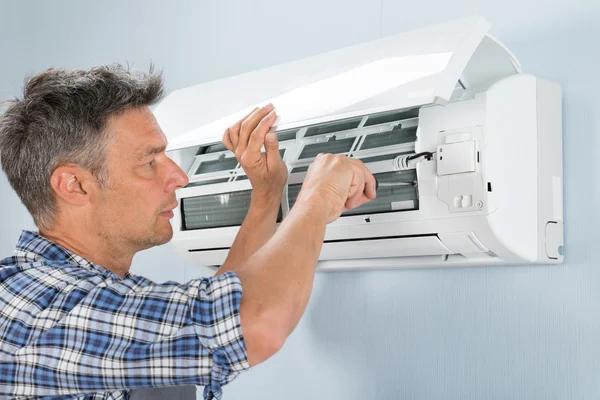
Regular maintenance of HVAC systems cannot be overlooked either. Dirty filters restrict airflow and reduce system efficiency; hence they should be replaced regularly according to manufacturer recommendations—typically every 1-3 months depending on usage levels—to ensure optimal performance year-round.
About the Author