
Metal roofing has become an increasingly popular choice for homeowners in San Antonio, thanks to its durability, energy efficiency, and aesthetic appeal. This type of roofing offers numerous benefits that make it an attractive option for those looking to invest in a long-lasting and reliable roof.
One of the primary advantages of metal roofing is its durability. Metal roofs can withstand extreme weather conditions, including high winds, heavy rain, and hailstorms—common occurrences in San Antonio’s climate. Unlike traditional asphalt shingles that may require frequent repairs or replacements after severe weather events, metal roofs offer exceptional resilience and longevity. With proper maintenance, a metal roof can last 40-70 years or more.
Energy efficiency is another key benefit of Metal Roofing in San Antonio climate, keeping homes cool during sweltering summer months is crucial. Metal roofs reflect solar radiant heat rather than absorbing it like asphalt shingles do. This reflective property helps reduce cooling costs by up to 25%, making homes more energy-efficient and environmentally friendly.
Aesthetically speaking, metal roofs are available in various styles and colors to complement any architectural design. Whether you prefer the classic look of standing seam panels or the rustic charm of corrugated sheets, there’s a metal roofing style to suit your taste.
While the initial cost of installing a metal roof may be higher than other materials such as asphalt shingles or tiles, it’s essential to consider the long-term savings on maintenance and energy bills when evaluating overall costs. Additionally, many insurance companies offer discounts on premiums for homes with metal roofs due to their fire-resistant properties.
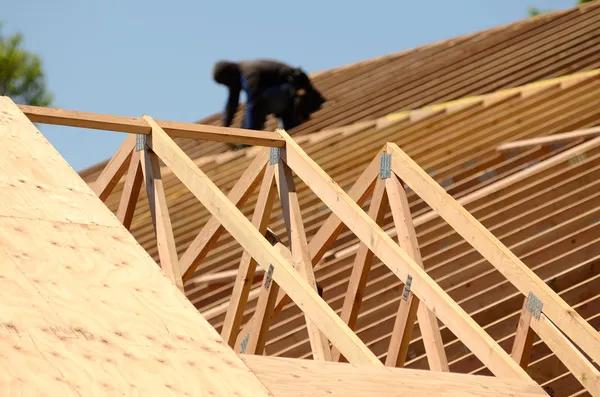
Installation is a critical aspect when considering a new roof; thus hiring experienced professionals familiar with local building codes ensures optimal performance and safety standards compliance throughout every stage from planning through completion phases involved within this process itself! The installation involves several steps: removing existing materials if necessary; preparing surfaces beneath them adequately before laying down new ones securely fastened into place using specialized tools designed specifically tailored towards each unique project undertaken accordingly based upon specific requirements dictated by individual circumstances present at hand during implementation efforts made therein!
About the Author
